Language Learning
Using Language Models to Understand English Reading Processes
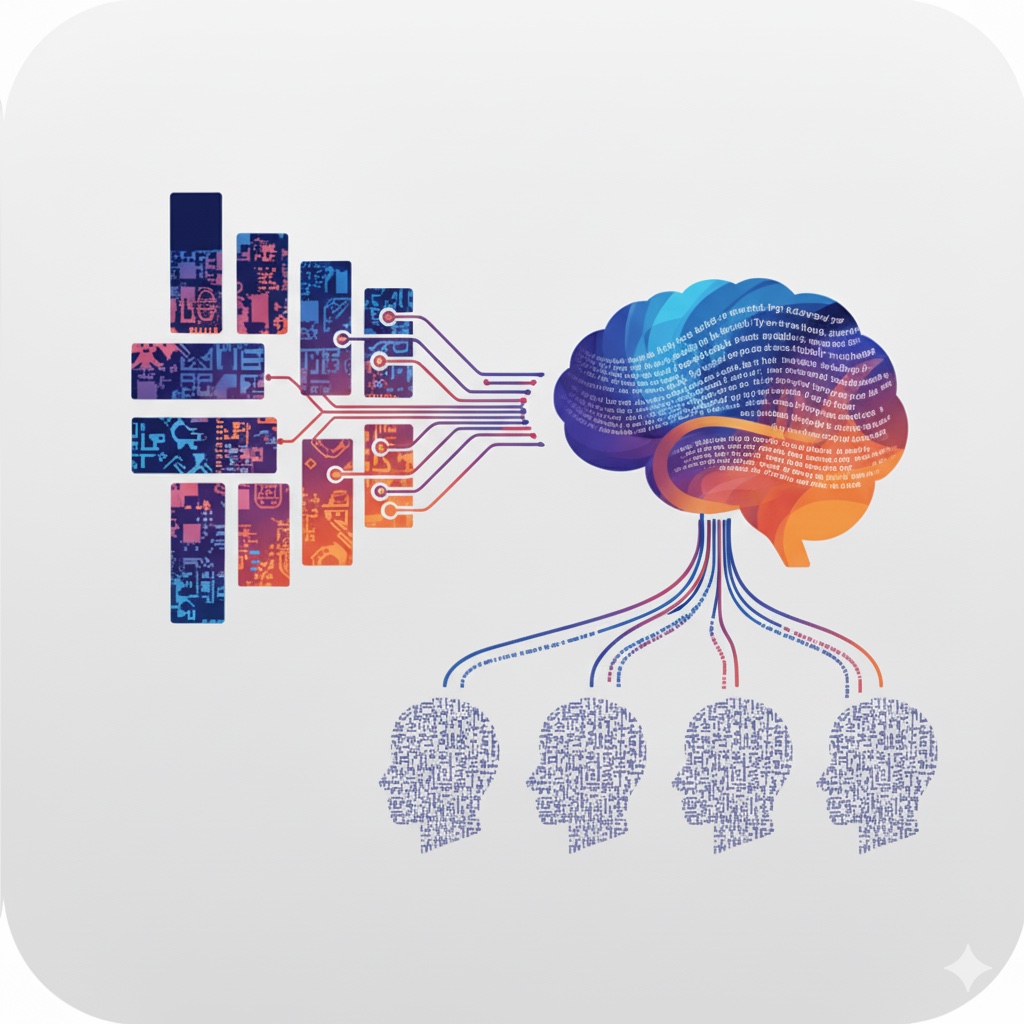
This project examines the overall effect of different types of language model surprisals on predicting English reading time. We further expand on this to analyze how the language background of an individual influences which language models have the most predictive power.
Currently, we analyze the surprisals from 7 different language models: simple n-gram, BOW n-gram, PCFG, RNNG, transformer, and transformer grammar. We also modify the input to these models to control the amount of syntactic or lexical information incorporated in their surprisal calculations. This approach allows us to evaluate the effects of sixteen distinct surprisal types on predicting English reading times.
The language backgrounds included in this analysis are native speakers of English, Korean, Spanish, and Chinese.
People: Jai Riley and Carrie Demmans Epp
Alumni: Shannon Clark, Sam Scholnick-Hughes, and Daniela Teodorescu
Collaborators: Lin Chen, Alona Fyshe, Gaisha Oralova, and Charles A. Perfetti
Publications and Presentations:
Chen, L., Oralova, G., Clark, S., Teodorescu, D., Fyshe, A., Demmans Epp, C., Helfrich, & M., Perfetti, CA. (2025). Tracking the dynamic word-by-word incremental reading through multi-measures. Journal of Experimental Psychology: Learning, Memory, and Cognition, 51(8), 1324-1346. [Q1 – Linguistics & Language; Q1 – Experimental & Cognitive Psychology] https://doi.org/10.1037/xlm0001438
Chen, L., Oralova, G., Fang, X., Clark, S., Teodorescu, D., Helfrich, M., Fyshe, A., Demmans Epp, & C., Perfetti, CA. (2026). Text difficulty modulates the surprisal effect in self-paced reading. Reading and Writing. [Q1 – Ed; Q1 – Linguistics & Language; Q1 – Neuropsychology and Physiological Psychology] https://doi.org/10.1007/s11145-026-10768-7
Oralova, G., Chen, L., Clark, S., Teodorescu, D., Helfrich, M., Fyshe, A., Demmans Epp, C., & Perfetti, C. (2025). Surprisal in Reading: Language Models Predict N400 for L2 Readers. Language, Cognition and Neuroscience, 1-20. [Q1 – Ling. and Lang.; Q2 – Cog. Neuroscience; Q2 – Experimental and Cog. Psych] https://doi.org/10.1080/23273798.2025.2585303
Oralova, G., Riley, J., & Demmans Epp, C. (2025). Understanding Surprisal in (Large) Language Models and Its Applications in Psycholinguistics Workshop. In the Spring Training in Experimental Psycholinguistics Programme (STEPP). Centre for Comparative Psycholinguistics. Edmonton, Canada
SoundHunters
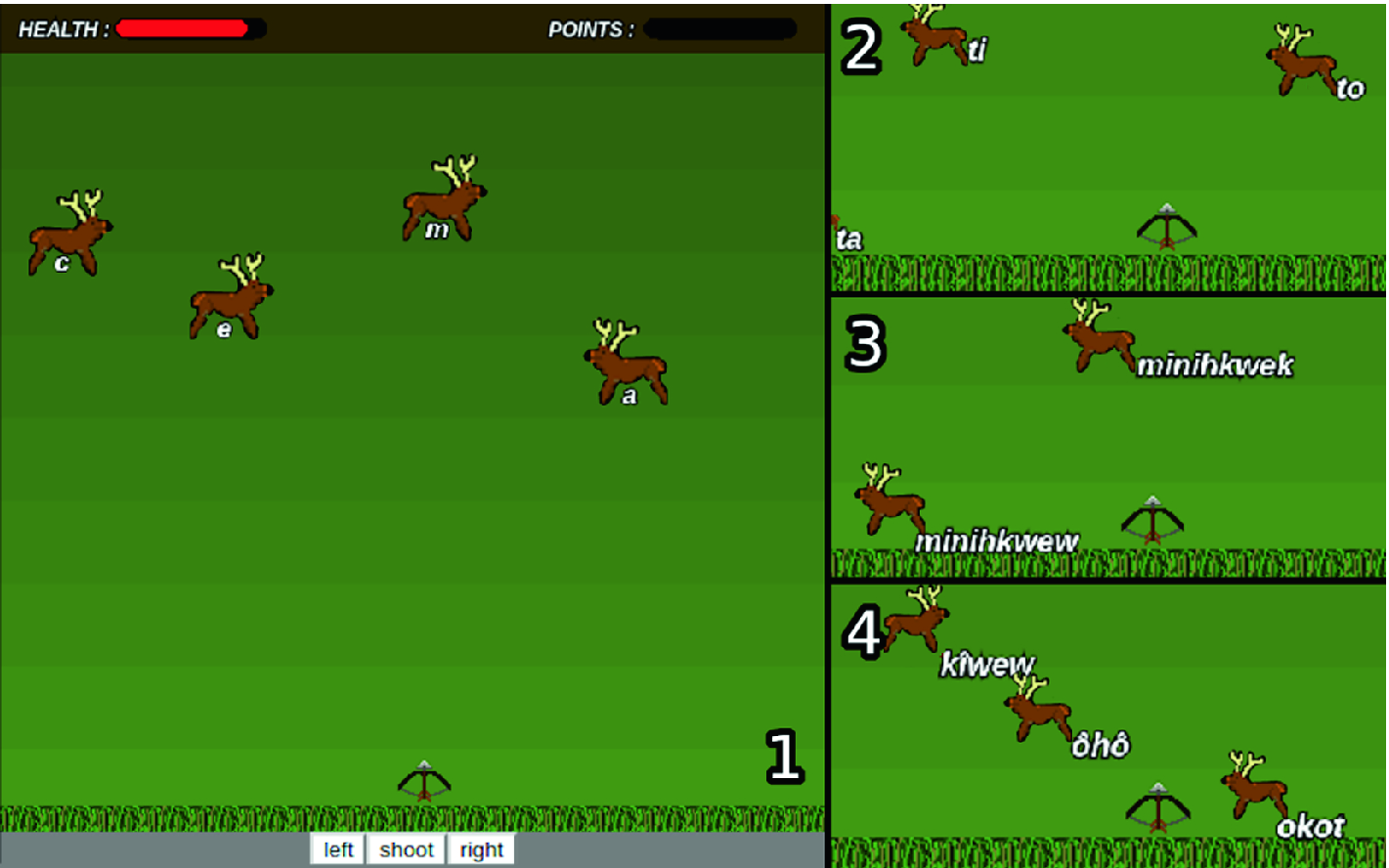
SoundHunters is an arcade-inspired game that teaches the sounds of Plains Cree (nehiyawewin). Deer descend with text attached to them as the player hears a sound on repeat. It’s the player’s job to shoot the deer whose text is associated with the given sound.
There are three versions of this game:
- a basic Plains Cree version,
- an adaptive Plains Cree version that personalizes the game play to the player, and
- a version that will teach the sounds of Southern Michif, a language spoken by some Métis people. This version is currently under development
People: Carrie Demmans Epp, and Gokce Akcayir
Alumni: Delaney Lothian, Josie Matalski, Nhan Nguyen, and Anaka Sparrow
Collaborators: Dorothy Thunder and Matt Taylor
Publications and Presentations:
Lothian, D., Akcayir, G., & Demmans Epp, C. (2019). Accommodating Indigenous People When Using Technology to Learn Their Ancestral Language. Presented at the Lifelong Learning Workshop at Artificial Intelligence in Education (AIED) (Vol. 2395 pp. 16-22), Chicago, Illinois, USA. CEUR-Workshop Proceedings. http://ceur-ws.org/Vol-2395/
Lothian, D., Akcayir, G., Sparrow, A., McLeod, O., & Demmans Epp, C. (2020). SoundHunters: Increasing Learner Phonological Awareness in Plains Cree. In I. I. Bittencourt, M. Cukurova, K. Muldner, R. Luckin, & E. Millán (Eds.), International Conference on Artificial Intelligence in Education (AIED) (pp. 346-359). Springer International Publishing. https://doi.org/10.1007/978-3-030-52237-7_28
Lothian, D. (2022). Southern Michif SoundHunters: A collaborative process of re-purposing an Indigenous language learning technology.
Cree NLP Project
Plains Cree is a low resource language, Indigenous to Canada. This language is at risk of being lost so we have collected a corpus of language materials to enable the creation of language technologies.
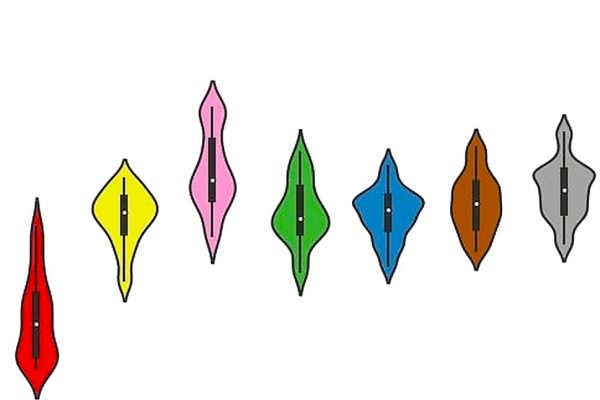
The developed corpus consists of different forms of data such as videos, audio, and text from various resources like Facebook, Youtube, Cree blogs, and educational websites. It also includes stories from community members. In addition to these base resources, the corpus contains English-Cree aligned texts.
This corpus will help enable the application of downstream natural language processing tasks, such as language models.
People: Carrie Demmanse Epp
Alumni: Delaney Lothian, Kelly Shih, Divya Prasad, Sabrina Lou, Adya Dutt, Daniela Teodorescu, and Josie Matalski
Collaborators: Denilson Barbosa
Publications & Presentations:
Lothian, D., Teodorescu, D., Barbosa, D., & Demmans Epp, C. (2019). Building a Language Model of nehiyawewin (Cree, Y-dialect) Language Technologies for All (LT4All), Paris, France.
Teodorescu, D., Matalski, J., Lothian, D., Barbosa, D., & Demmans Epp, C. (2022). Cree Corpus: A Collection of nêhiyawêwin Resources. In 60th Annual Meeting of the Association for Computational Linguistics. (pp. 6354-6364). Dublin, Ireland: Association for Computational Linguistics. http://dx.doi.org/10.18653/v1/2022.acl-long.440

Tier 3 CS Vocabulary
This project aims to create a list of advanced vocabulary that are specific to computer science using tools and techniques from natural language processing.
Add Your Heading Text Here
To support computer-science education efforts and English learners, we are creating a list of the most-used advanced vocabulary in computer science. Like other word lists that cover more general academic vocabulary, this list could be used to support English for specific-purposes learning when students plan to pursue computer-science degrees. It could also be used by computer-science instructors to better support these students.
Going beyond the creation of this list, we aim to analyze the usage and adoption of the identified vocabulary in student discourse.
People: Carrie Demmans Epp
Alumni: Vedant Bahel, Adya Dutt, Tejas Bhatia, and Rebecca Auron
Online Learning
LLM-Based Automated Feedback Generation
This project examines the potential of LLM-based systems in the generation of curricularly accurate and pedagogically sound feedback that can be adopted by classrooms and used to aid teachers in providing a consistent learning experience for students.
Add Your Heading Text Here
People: Harvey Ngoe Kolle, Khaled Elbastawisy, and Carrie Demmans Epp
Collaborator: Maria Cutumisu
Publications & Presentations:
Kolle, H., Demmans Epp, C., Liaqat, A., & Cutumisu, M. (Accepted). Evaluating the Pedagogical Quality of LLM-Generated Feedback: A Criterion-Based and Comparative Study. In Pedagogical Evaluation of Automated Feedback Workshop at the 27th International Conference on Artificial Intelligence in Education (AIED).
Kolle, H., Demmans Epp, C., Liaqat, A., & Cutumisu, M. (Accepted). Do Language Models Matter? Evaluating Model Choice in a Multi-Agent Feedback Framework. In Late-Breaking Results (LBR: Posters) Track of the 27th International Conference on Artificial Intelligence in Education (AIED).
Learning Analytics to Support Collaborative Learning
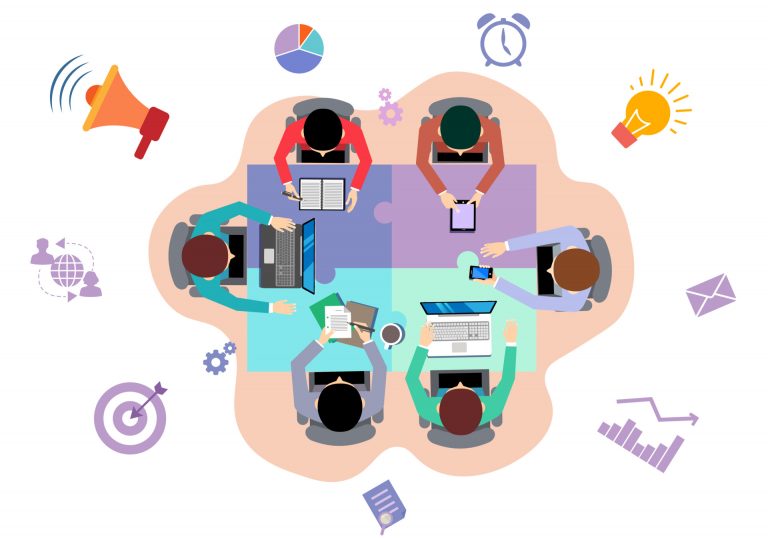
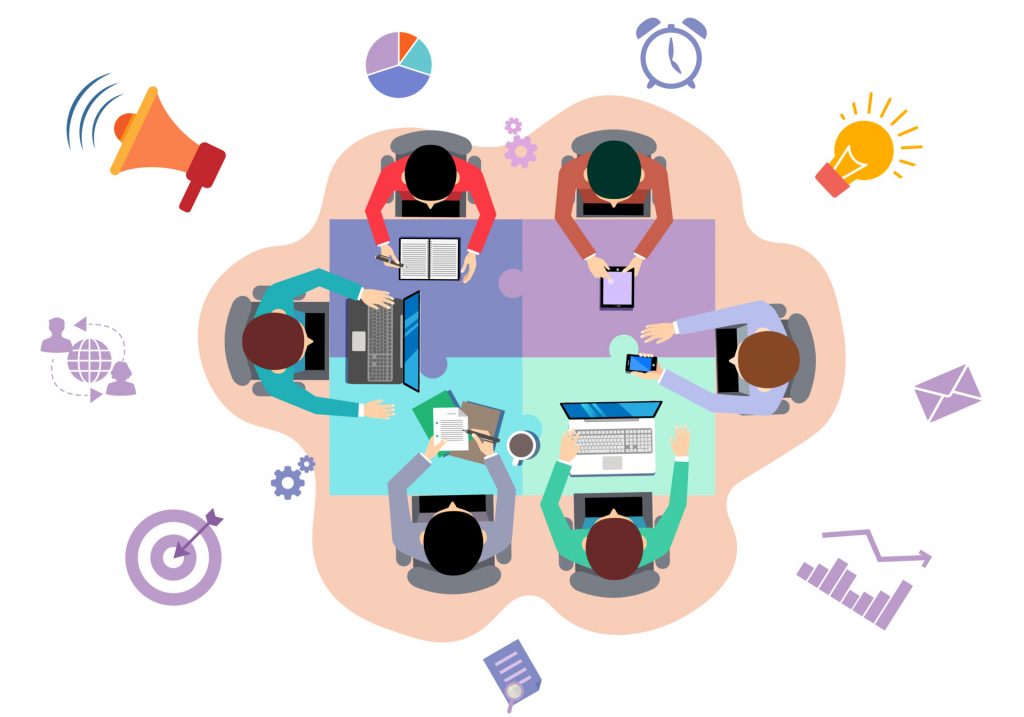
This project aims to improve and support the collaborative learning experiences of students through the use of analytics by helping students or instructors to understand how people are working together and recommending materials or posts that should be of interest to a specific user.
Add Your Heading Text Here
When instructors have access to analytics, the goal is to support their monitoring of course activities so that they can adjust them to ensure that their desired pedagogical design is enacted.
People: Gokce Akcayir and Carrie Demmans Epp
Alumni: Yonael Bekele, Zhaorui Chen, Tyer Heise, Ryan Perez, Farnoosh Fatemi Pour, Marissa Snihur, Leticia Wanderley, and Dake Zhang
Collaborators: Jim Hewitt, Amna Liaqat, Cosmin Munteanu, and Eleni Stroulia
Publications & Presentations:
Chen, Z., & Demmans Epp, C. (2020). CSCLRec: Personalized Recommendation of Forum Posts to Support Socio-collaborative Learning. In A. N. Rafferty, J. Whitehill, V. Cavalli-Sforza, & C. Romero (Eds.), Thirteenth International Conference on Educational Data Mining (EDM) (pp. 364–373). International Educational Data Mining Society. https://educationaldatamining.org/files/conferences/EDM2020/papers/paper_64.pdf
Demmans Epp, C., & Perez, R. Phirangee, K., Hewitt, J., & Toope, K. (2019). User-Centered Dashboard Design: Iterative Design to Support Teacher Informational Needs in Online Learning Contexts. Presented at the American Educational Research Association (AERA) Annual Meeting, Toronto, Canada.
Fatemi Pour, F., Akcayir, G., Demmans Epp, C., & Stroulia, E. (2020). Analyzing Computer-Science Students Feedback to Better Understand Team-based Learning Experiences. American Educational Research Association (AERA) Annual Meeting. http://tinyurl.com/svzajko
Liaqat, A., Akcayir, G., Demmans Epp, C., & Munteanu, C. (2019). Mature ELLs’ Perceptions Towards Automated and Peer Writing Feedback. In European Conference on Technology-Enhanced Learning (EC-TEL) (pp. 266-279). https://doi.org/10.1007/978-3-030-29736-7_20

User Modelling for Pilot Training
In this project, we developed student models for use in online pilot training to personalize the learning paths of students.

This model works within a complex online educational system consisting of a learning management system, a virtual-reality world, and a flight simulator among other technologies that include a chatbot. As part of this project, we conducted a qualitative case study to understand student behaviours and experiences.
People: Carrie Demmans Epp, Minghao Cai, and Yalmaz Abdullah
Alumni: Jialiang Yan
Collaborators: Brandon Kozak, Tahereh Firoozi, Matt Taylor, Michael Guevera, and Delphi Technology Corp
Publications & Presentations:
Abdullah, Y.A., Guevarra, M., Cai, M., Yan, J., Taylor, M.E., & Demmans Epp, C. (2025). Pilot Trainees Benefit from Modelling and Adaptive Feedback. In ACM Conference on User Modeling, Adaptation and Personalization, (pp. 144-154). New York, USA: ACM. https://doi.org/10.1145/3699682.3728337
Cai, M., Demmans Epp, C., & Firoozi, T. (2022). Complex Learning Environments: Tensions in Student Perspectives that Indicate Competing Values. In 23rd International Conference on Artificial Intelligence in Education (AIED), Posters and Late Breaking Results, Workshops and Tutorials, Industry and Innovation Tracks, Practitioners’ and Doctoral Consortium. (pp. 144-149). Durham, UK: Springer. https://doi.org/10.1007/978-3-031-11647-6_25
Cai, M., Guevarra, M., Abdullah, Y., & Demmans Epp, C. (2025). Unveiling the Interplay Between Affect and Cognitive Load During Simulation-Based Training. In International Conference on Artificial Intelligence in Education (AIED), (pp. 438-452). Palermo, Italy: Springer. https://doi.org/10.1007/978-3-031-98420-4_31
CS Education
Community Among CS Students
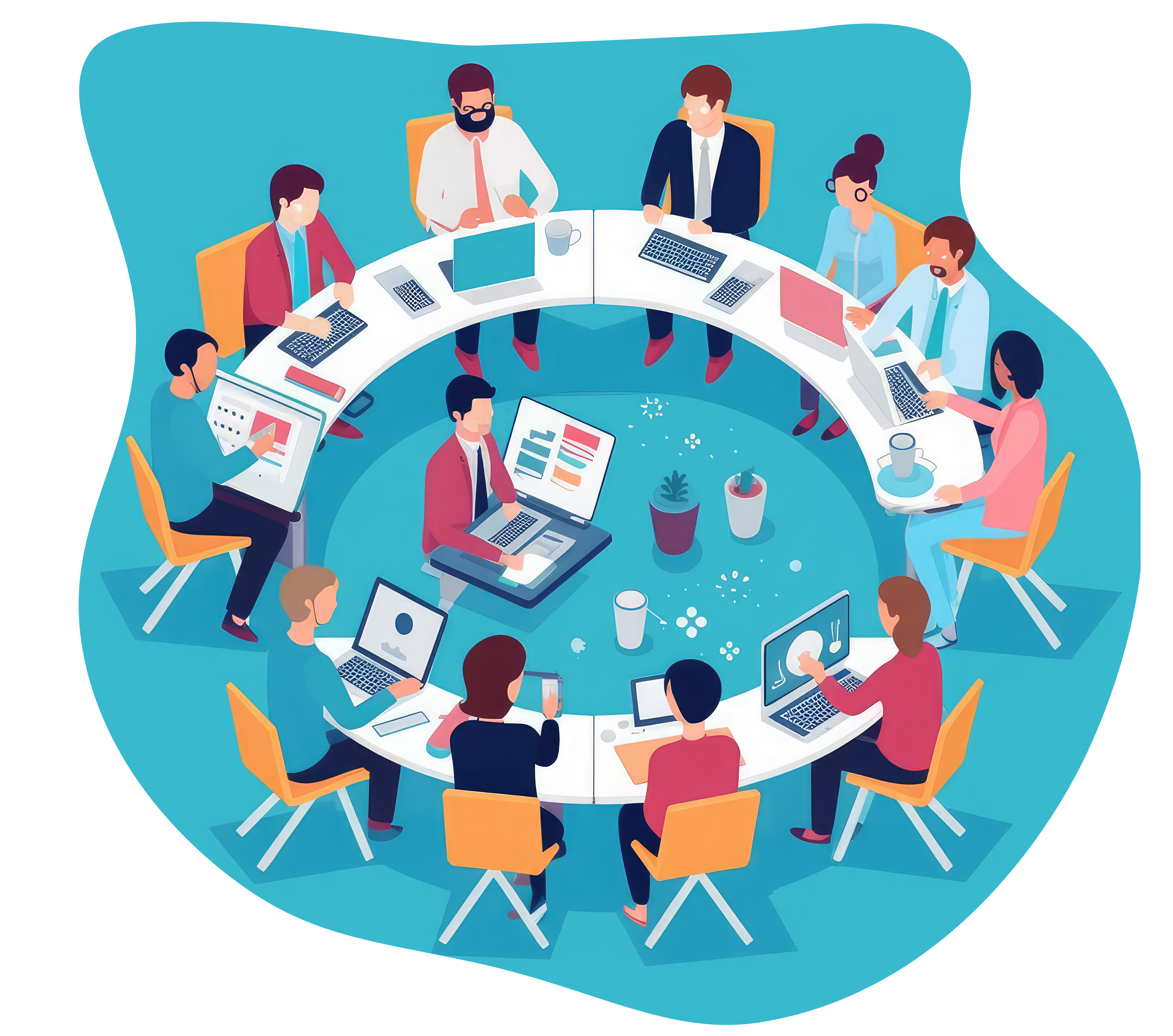
Classroom community describes a sense of connectedness and learning support among students in a learning environment.
Add Your Heading Text Here
Measuring classroom community provides a benchmark to assess the impact of interventions. Related factors include social connections among students, which can be measured through social network analysis, and collaborative learning.
People: Carrie Demmans Epp and Emma McDonald
Alumni: Alaa Alajmy and Jeff Cho
Publications & Presentations:
Alajmy, A. (2024). Sense of Community, Social Connections, and Collaborative Learning in Post-Secondary Computer-Science Education. University of Alberta.
Cho, J., & Demmans Epp, C. (2019, April 5). Improving the Classroom Community Scale: Toward a Short-Form of the CCS. In American Educational Research Association (AERA) Annual Meeting, Toronto, Canada. https://doi.org/10.3102/1432534
McDonald, E., & Demmans Epp, C. (2023). Investigating Classroom Community Among Undergraduate Computer Science Students. In American Educational Research Association (AERA) Annual Meetings, Chicago, IL. https://doi.org/10.3102/2012116
Behaviour Analysis
Eye-Gaze Learning Analytics to Support Online Learning
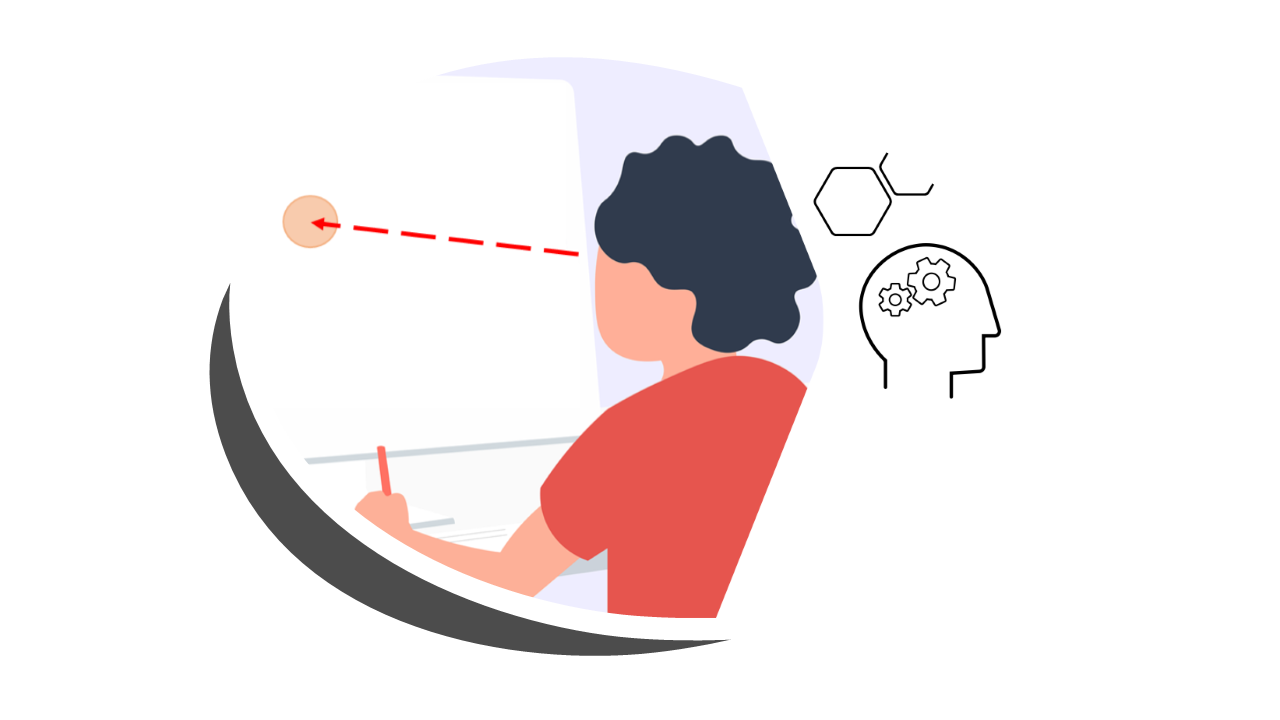
This project aims to improve and support the online learning experiences of students through the use of eye-gaze analytics. These analytics will help students or instructors understand people’s attention patterns and information-seeking strategies.
Add Your Heading Text Here
In the sub-projects, we model users’ (e.g., students, expert) learning patterns using detailed eye-tracking information (e.g., gaze, pupil, blink) in different learning scenarios including writing modification, RSVP reading, and Gamed-based language learning. The comparison between eye-gaze behaviours and learning performance offers insights into learning strategies and provides the potential to design adaptive learning support that accounts for these strategies.
People: Carrie Demmans Epp, Minghao Cai and Yalmaz Abdullah